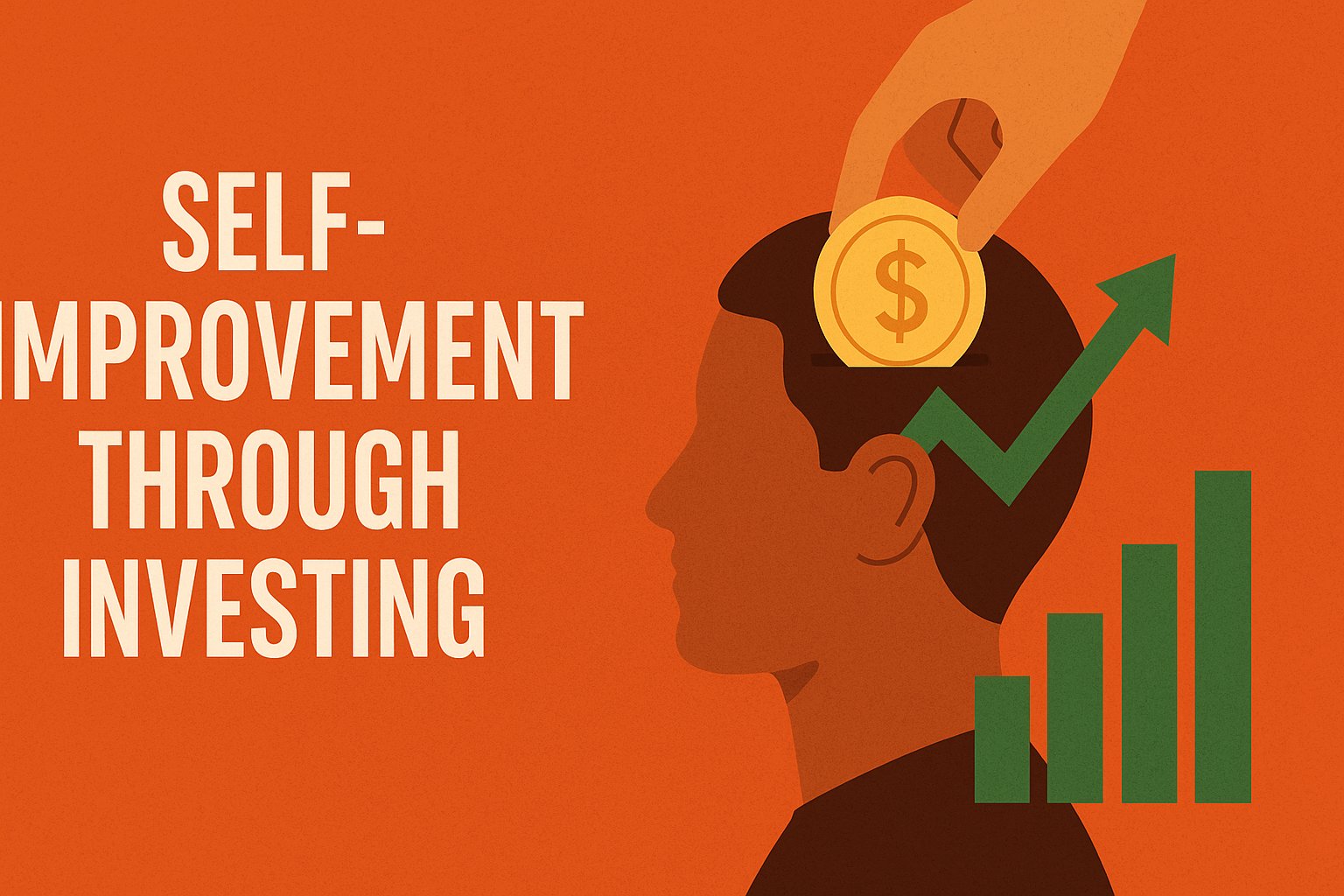
When most people think about investing, they picture charts, earnings reports, or stock tickers scrolling across a screen. But investing is far more than a way to grow money—it’s one of the most powerful tools for personal growth. The skills you develop as an investor naturally translate into better habits, clearer thinking, and long-term self-improvement.
In fact, becoming a better investor can make you a better person. Here’s how.
1. Investing Teaches Patience in a World That Hates Waiting
In life, just like in the market, progress rarely happens overnight. Long-term investing trains you to:
- wait for results
- trust your plan
- avoid impulsive decisions
The discipline to hold quality investments through volatility mirrors the patience needed to stick with personal goals—whether it’s fitness, learning a skill, or building a career.
When you truly understand compounding, you stop chasing instant gratification.
2. You Develop Emotional Control (Your Future Self Will Thank You)
The market will test you—greed when stocks rise, fear when they fall. Learning to manage those feelings builds emotional intelligence that benefits every part of your life.
Great investors learn to pause, analyze, and act rationally instead of emotionally.
Great people do the same.
This emotional discipline helps you:
- handle conflict more calmly
- make clearer decisions
- avoid overreacting in stressful situations
If you can stay rational when your portfolio swings 10% in a week, life’s smaller frustrations become easier to navigate.
3. You Learn to Think Long Term
Most of the world lives on short-term dopamine hits—scrolling, buying, reacting.
Investors live differently.
Long-term thinking impacts:
- how you handle money
- how you plan your career
- how you build relationships
- how you prioritize your time
When you think in decades instead of days, your choices become smarter, steadier, and more strategic.
4. You Become More Disciplined With Money (and Yourself)
Investing forces you to look at your finances honestly.
And honesty is the starting point for improvement.
You start to:
- track spending
- build emergency funds
- separate wants from needs
- create plans instead of reacting to life
Money discipline becomes self-discipline.
Self-discipline becomes self-improvement.
5. You Develop a Growth Mindset
The stock market rewards learners.
Every mistake is a lesson.
Every loss has a reason.
Every win is the result of good habits.
Investors constantly analyze, adapt, and improve—this mindset carries into everyday life.
Suddenly you’re asking:
- What can I learn from this?
- How do I improve?
- What’s the long-term impact?
Investing sharpens your ability to view life as a series of compounding improvements.
6. You Build Confidence Through Knowledge
When you learn how the market works, you understand something most people fear.
That confidence spills over into other areas:
- negotiating at work
- setting boundaries
- taking calculated risks
- trusting your judgment
The more you master investing, the more you trust your ability to make smart, informed decisions.
7. You Start Living With Intention
Investing is intentional by nature—you don’t accidentally buy stocks every month.
You design a plan and execute it.
Over time, you start approaching life the same way:
- intentional habits
- intentional goals
- intentional relationships
- intentional use of time
Investing becomes a mirror that reflects your priorities.
It shows you what truly matters.
Conclusion: Your Portfolio Grows When You Do
Self-improvement and investing are deeply connected.
They’re both long games, both require discipline, and both reward consistency.
When you commit to becoming a better investor, you’re really committing to becoming:
- more patient
- more disciplined
- more emotionally resilient
- more strategic
- more confident
Your bank account might grow—but your mindset grows even faster.
And that’s the real return on investment.
Leave a Reply